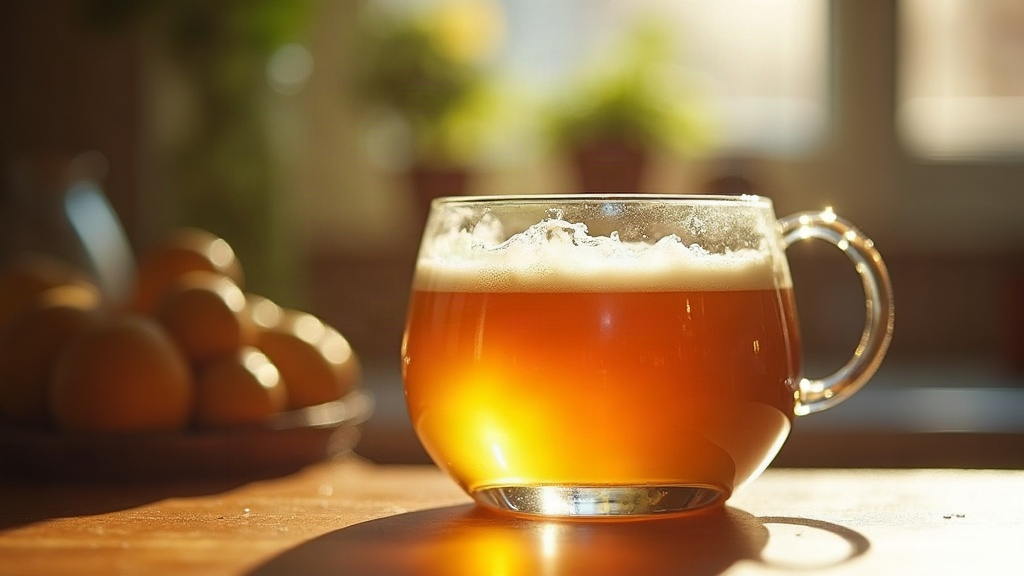
From the first bite at breakfast to the last spoonful at dinner, everyday eating habits shape how the day feels. This presentation looks at the order of foods on the plate and the traditional story behind Biblical drink (oil)/ Honey blend — as everyday kitchen culture, not a medical solution.
For many people, the day doesn’t revolve around a single decision — it’s a string of small ones, meal after meal.
Standing in front of the fridge or scanning a menu, the same question resurfaces at every meal, often without a clear answer.
A heavy, sleepy feeling settles in an hour or two after lunch, making the rest of the afternoon harder to push through.
Even after a full night's sleep, some mornings begin with a sluggishness that breakfast doesn't seem to shake.
Planning three meals a day, every day, adds up to a quiet mental load that's easy to underestimate.
Some ideas about carbohydrates, fruit, and food labels have stuck around the kitchen table for years. Here’s a closer look.
All carbohydrates affect a meal the same way, no matter how they’re eaten.
The type, portion, and order in which carbohydrates appear on the plate can change how a meal feels afterward.
Fruit should be avoided altogether when paying attention to eating habits.
Whole fruit eaten as part of a balanced plate is different from fruit juice or dried fruit eaten on its own — portion and context matter.
A food labeled ‘diabetic-friendly’ or ‘sugar-free’ is automatically a better everyday choice.
These labels don’t guarantee a food fits well into an overall eating pattern — the full ingredient list still deserves a look.
None of this replaces medical guidance — it’s simply a look at habits some people build around how they eat, one meal at a time.
Some people start their meal with vegetables and protein before moving to starchier foods, a small habit that can feel easier to keep than counting or measuring.
Eating at a slower pace and chewing thoroughly gives the whole meal more room to be noticed and enjoyed, rather than rushed through.
A short, easy walk after a meal is a habit many people build into their evening routine. As with any change to daily habits, it’s worth checking with the healthcare provider who follows your care before adjusting your routine.
Long before nutrition labels existed, honey and oil were staples of Mediterranean and Middle Eastern kitchens, often blended together and drizzled over warm bread or stirred into a cup at the start or end of the day. Historical texts describe honey as a valued sweetener and oil as a everyday cooking staple, and the two were frequently paired in traditional recipes passed down through generations. In many households, this pairing wasn’t treated as medicine — it was simply part of how a meal or a small ritual came together, tied to culture and the rhythm of the kitchen rather than to any specific outcome.
Across generations, the appeal of this combination was less about a single ingredient and more about a ritual — a small, deliberate pause built into the rhythm of the day. As with any change to long-standing habits, it’s worth talking it over with the healthcare provider who knows your history.
Feeling drained despite a full night's rest is easy to brush off, but it's the kind of pattern worth mentioning to the healthcare professional who follows your care.
A change in how hungry or thirsty you feel from day to day isn't something to interpret alone — bring it up at your next appointment.
If meals start to feel different than they used to, that's a conversation for your doctor, not a pattern to self-diagnose.
Weight shifting without an obvious change in habits is worth raising with the professional who tracks your health over time.
Anything unusual with skin or how minor cuts heal deserves a direct conversation with your doctor rather than a guess.
It can be tempting to search for answers online, but any new or unusual change is best discussed with the healthcare provider who knows your full history — and never a reason to adjust medication or treatment on your own.
These reflections describe personal routines and are shared for illustrative purposes only. They are not a guarantee of any outcome, and individual experiences vary.
This presentation walks through the tradition behind Biblical drink (oil)/ Honey blend and simple habits like the order of foods on the plate — shared as everyday kitchen culture, never as a replacement for medical care. Keep following your prescribed treatment and check with your healthcare provider before changing your diet or routine.
Advertising Disclosure: This page contains sponsored content and affiliate links. We may receive compensation if you click on or make a purchase through links on this page. This does not affect the price you pay and helps support the content on this site.
Content Disclaimer: This content is for educational and informational purposes only. It has not been evaluated by the FDA and is not intended to diagnose, treat, cure, or prevent any disease. It does not substitute for professional medical advice, diagnosis, or treatment. Always consult a qualified healthcare professional before changing your diet, routine, or any prescribed treatment.
Results Disclaimer: Individual results and experiences vary. Testimonials shared on this page reflect personal opinions and routines and are not a guarantee of any specific outcome or result for any other individual.
© 2026 · All Rights Reserved